

CSW70 Parallel Event Examines Cross-Border Legal Protection of Women's Rights in the Context of Green Development
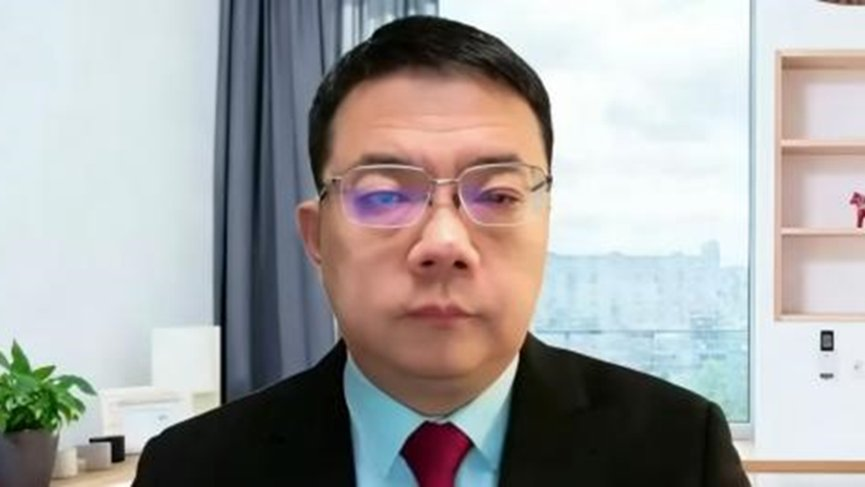
Xing Tang (Founder, Grouphorse Group)
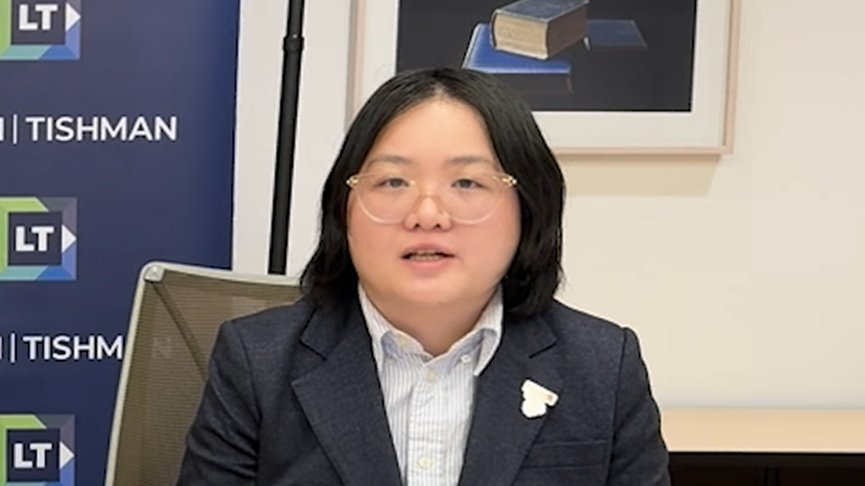
Joy Xiao(Counsel, Leech Tishman)

Gary Xiao( Foreign Legal Consultant [China], Leech Tishman)
Speaking on behalf of the organizers, Grouphorse Group founder Xing Tang said the green transition is no longer confined to environmental policy or industrial upgrading. He said it is also reshaping employment structures, supply chain organization, capital allocation, compliance standards, cross-border mobility and digital governance rules. In that process, he said, women and girls affected by cross-border factors often face overlapping vulnerabilities in labor arrangements, legal remedies, access to evidence, family protection and social participation. He said the event aimed to place women's rights protection more firmly within the framework of green development, cross-border governance and institutional design, and to support more practical and enforceable international discussion.
The event was moderated by Joy Xiao, Counsel at Leech Tishman. She said the Commission on the Status of Women has long worked to move women's rights from principle to institution and from advocacy to action. In the context of an accelerating global green transition, she said, ensuring that women's rights can be asserted, remedies can be accessed, and judgments can be enforced in cross-border settings has become an issue that deserves greater international attention.
Leech Tishman partner John D. D'Ercole addressed child labor risks and cross-border labor compliance. He argued that contracts are a critical preventive tool: companies should establish clear commitments from the outset, including zero tolerance for child labor, factory inspection standards and defined dispute resolution pathways, reducing serious risks from labor-rights violations.
Gary Xiao, external counsel to Leech Tishman, spoke from the perspective of Chinese companies expanding abroad. He said companies hiring local female employees overseas should study host-country labor laws carefully and incorporate relevant requirements into contracts and internal management. When disputes arise, mediation and formal legal channels should be used first to keep employment practices lawful and traceable.
Leech Tishman equity partner Eric J. Wu presented on judicial remedies for women's labor rights in global supply chains. Women in global production networks typically face high legal costs, lack of information, fear of retaliation and difficulty identifying responsible parties. Traditional judicial systems often struggle with cases involving layers of subcontracting and fragmented responsibility chains. Wu pointed to supply chain due diligence frameworks — including the EU's Corporate Sustainability Due Diligence Directive — as increasingly important accountability tools that can complement judicial institutions and help turn workers' rights into enforceable claims.
Leech Tishman partner Laurel F. Grass, a former Pennsylvania prosecutor, addressed practical legal challenges for foreign women in the United States. On fraud, she warned that legitimate authorities never request money transfers or sensitive information through informal channels such as WeChat or text messages. Suspicious contacts should be verified through lawyers or official channels.
On domestic violence, she discussed pathways including the U visa, available to victims who report abuse and provide supporting evidence. She noted that language barriers, economic dependence and immigration vulnerability can leave some women without meaningful access to remedy, and that differences between Chinese and U.S. law in defining domestic violence and evaluating evidence add further complexity.
Liya Hou, a visiting professor at Tianjin Foreign Studies University Grouphorse ESG Industrial College, focused on structural barriers preventing women in supply chains from accessing digital remedies. While technology can amplify women's voices, digital voice does not automatically translate into legal protection — key evidence is often held within corporate systems and audit trails beyond workers' reach.
Hou proposed a "Digital-to-Justice Bridge" built on three pillars: preserving relevant records once grievances arise; disclosing data to workers and trusted third parties safely; and embedding evidence obligations into supplier codes and financing terms. She also stressed that stronger evidentiary systems must not increase surveillance, advocating a privacy-by-design approach that protects dignity and personal data.
Attorney Rose Zhu examined how women's rights protections can be built into green finance transactions through financial covenants, disclosure requirements, third-party audits and grievance mechanisms. Binding provisions — including gender-linked financial terms and formal remedy mechanisms — can move women's rights from aspirational language to enforceable arrangements, while pushing green finance beyond a narrow environmental focus toward greater social accountability.
Leech Tishman Counsel Lucia Pallier, Ph.D., addressed cross-border digital health, focusing on reproductive health. She discussed regulatory issues raised by telemedicine platforms, AI-assisted diagnosis and digital therapeutics, including licensing, data privacy, cybersecurity and cross-border liability. She said projects entering new markets should conduct detailed cross-jurisdictional compliance assessments and establish data-governance systems aligned with international privacy rules, ensuring digital health serves women's rights rather than creating new institutional risk.
Across the event, speakers returned to a shared message: the green transition must not focus only on emissions, investment and technological innovation. It must also address the inequalities women face in labor, family life, health, digital spaces and cross-border mobility. Women's rights protection must move beyond broad international consensus toward concrete procedures, enforceable safeguards and real-world remedies — embedded in contract design, supply chain accountability, financial compliance and cross-border legal cooperation. Green development, participants concluded, must be understood as an institutional process that integrates environmental progress with social justice, and women's rights must be part of that design from the start.
XING TANG
Grouphorse Group
email us here
Legal Disclaimer:
EIN Presswire provides this news content "as is" without warranty of any kind. We do not accept any responsibility or liability for the accuracy, content, images, videos, licenses, completeness, legality, or reliability of the information contained in this article. If you have any complaints or copyright issues related to this article, kindly contact the author above.
